دور رعاية المسنين
  خدمات منزلية
  القرى المجتمعية
  واريغال الاجتماعية
  خدمات أخرى


مركز المجتمع

مدونة
29 يوليو 2026
لا ينبغي للعائلات تأجيل الحديث عن الشيخوخة إلى وقت متأخر
كتبت جيني هاتشينز، الرئيسة التنفيذية لشركة واريغال، مؤخرًا مقالًا رأيًا في صحيفة إيلاوارا ميركوري. اقرأوا رؤيتها حول موضوع الشيخوخة الذي ينبغي على العائلات عدم تأجيله إلى وقت متأخر.
من أصعب المحادثات التي تخوضها العديد من العائلات هي تلك التي يؤجلونها إلى وقت متأخر جداً.
غالباً ما يبدأ الأمر بعد حدوث تغيير ما. سقوط. زيارة للمستشفى. فقدان أحد الوالدين شعوره بالأمان في المنزل. إرهاق أحد الشريكين من الرعاية. إدراك العائلة فجأة أن المنزل أو الدرج أو الحديقة أو العزلة تجعل الحياة اليومية أصعب مما كانت عليه.
في تلك اللحظات، قد تبدو القرارات متسرعة. المشاعر متأججة، والخيارات محدودة، وغالبًا ما تحاول العائلات اتخاذ قرارات مصيرية مع إدارة القلق والشعور بالذنب والتردد. ليس من الضروري أن يكون الأمر كذلك.
تُتخذ بعض أفضل القرارات المتعلقة بالشيخوخة في وقت مبكر، قبل وقوع الأزمات، بينما لا يزال الناس يتمتعون بصحة جيدة واستقلالية وقدرة على التحكم في حياتهم. إن التخطيط المسبق لا يعني التخلي عن الاستقلالية، بل هو في كثير من الأحيان أحد السبل التي تحميها.
في مجال رعاية المسنين، نلاحظ غالباً الفرق بين القرارات المتخذة في أوقات الأزمات والقرارات المتخذة بعد مرور الوقت. عندما يُتاح للأفراد مساحة للتفكير والتحدث واستكشاف خياراتهم، يتغير مسار الحوار. يصبح التركيز أقل على ما حدث من أخطاء وأكثر على نوع الحياة التي يرغبون في الاستمرار بها. هذه بداية أفضل بكثير.
بالنسبة لكثير من كبار السن، يكمن الخوف في أن الحديث عن الدعم المستقبلي يعني فقدان السيطرة. فهم يخشون أن يُملى عليهم ما يفعلونه، وأين يعيشون، وما لم يعودوا قادرين على إدارته. أما بالنسبة للأبناء البالغين، فالخوف غالباً ما يكون مختلفاً. فهم لا يريدون إزعاج والديهم أو جعلهم يشعرون بأنهم لم يعودوا قادرين على القيام بواجباتهم. لذا، يتأجل الحديث في هذا الموضوع.
لكن تجنب الحوار لا يمنع حدوث التغيير. إنه ببساطة يعني أن العائلات قد يكون لديها وقت أقل، ومعلومات أقل، وخيارات أقل عندما يأتي التغيير في نهاية المطاف.
إن الحوار الأفضل ليس "ما نوع الرعاية التي تحتاجها؟" بل هو "ما نوع الحياة التي تريد أن تستمر في عيشها، وما الذي قد يساعدك على فعل ذلك؟"
بالنسبة للبعض، قد يعني ذلك البقاء في منازلهم مع توفير دعم إضافي. وبالنسبة لآخرين، قد يعني ذلك الانتقال إلى منزل أصغر يسهل إدارته. وبالنسبة للبعض الآخر، قد يعني ذلك الانتقال إلى مجتمع يمكنهم فيه الحفاظ على استقلاليتهم مع العلم بتوفر الدعم في حال تغيرت احتياجاتهم.
لا توجد إجابة صحيحة واحدة. المهم هو أن تتاح للناس فرصة التفكير في خياراتهم قبل أن تجبرهم الظروف على اتخاذ قرار.
لا تقتصر الاستقلالية على البقاء في المنزل نفسه للأبد، بل تشمل أيضاً امتلاك الخيارات، والثقة بالنفس، والتواصل، والشعور بالسيطرة على المستقبل. أحياناً، يكون القرار الصائب هو الذي يُساعد الشخص على البقاء مستقلاً لفترة أطول، حتى لو تطلّب ذلك إجراء تغيير قبل الموعد المتوقع.
يُعدّ هذا الأمر بالغ الأهمية في مناطق مثل إيلاوارا، حيث يرتبط الناس ارتباطًا وثيقًا بأماكنهم. فهم يرغبون في البقاء على مقربة من عائلاتهم وأصدقائهم ومتاجرهم المألوفة ومجموعاتهم المجتمعية وخدماتهم الصحية، فضلًا عن الساحل والضواحي التي يعرفونها جيدًا. ولا يقتصر مفهوم الشيخوخة الصحية على الرعاية فحسب، بل يشمل أيضًا الشعور المستمر بالانتماء إلى المجتمع.
في واريغال، نرى يومياً مدى أهمية ذلك. فالناس يرغبون في الشعور بأنهم معروفون ومحبوبون ومتواصلون. يريدون أن يُنظر إليهم كأفراد متكاملين، لا كمجموعة من الاحتياجات أو قائمة من المخاطر. إنهم يريدون الاستمرار في اتخاذ القرارات المتعلقة بحياتهم.
ولهذا السبب يُعد التخطيط المبكر أمراً بالغ الأهمية.
يمنح ذلك الناس الوقت لطرح أسئلة عملية. هل لا يزال منزلي يلبي احتياجاتي؟ هل أشعر بعزلة أكبر من ذي قبل؟ هل سأشعر بمزيد من الثقة بوجود دعم قريب؟ هل أرغب في صيانة أقل وتواصل أكبر؟ ما الذي سيجعل الحياة أسهل وأكثر أمانًا ومتعة خلال السنوات الخمس أو العشر القادمة؟
هذه الأسئلة ليست علامات على التراجع، بل هي علامات على التخطيط الجيد.
يُشكّل هذا التفكير أيضاً نظرة مدينة واريغال إلى خيارات السكن المستقبلية، بما في ذلك مشروع واريغال ليك ساوث، وهو قرية سكنية جديدة قيد الإنشاء بالقرب من شاطئ بحيرة إيلاوارا. وينصبّ التركيز على الأشخاص الذين ما زالوا يتمتعون بالاستقلالية، ولكنهم يرغبون في التخطيط للمستقبل بثقة واطمئنان.
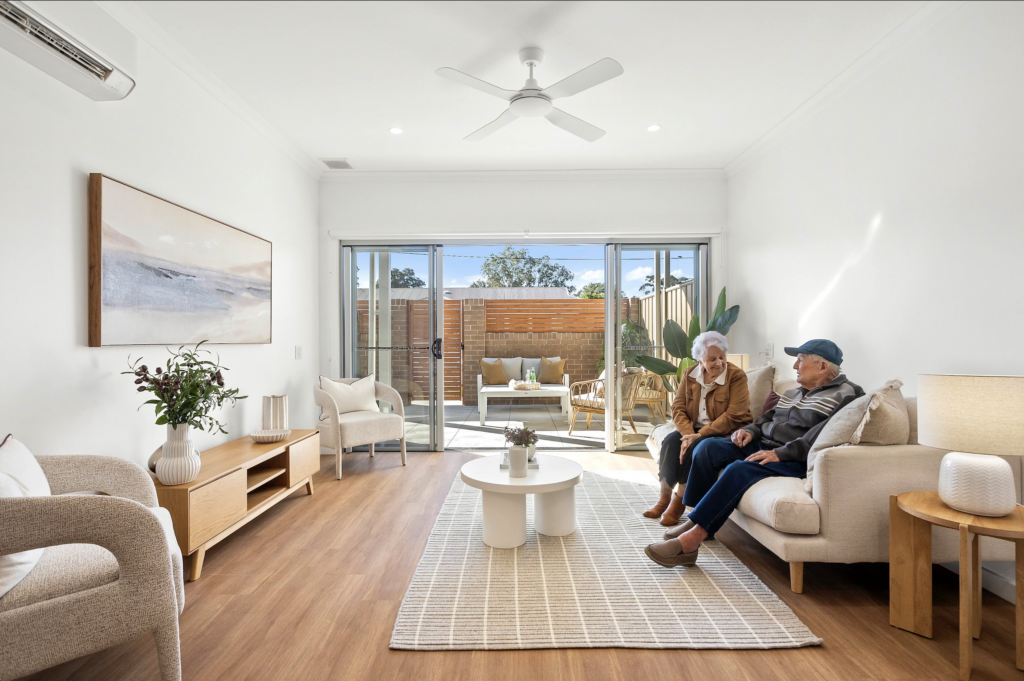
لا يتعلق الأمر بتسريع دخول الناس إلى مراكز الرعاية، بل يتعلق بإعطائهم المزيد من الوقت لاتخاذ خيارات مدروسة، بينما لا يزالون يشعرون بأنهم قادرون على قيادة الحوار.
يمكن للعائلات أن تلعب دورًا هامًا في هذا أيضًا. أحيانًا يكون أفضل ما يمكن أن يفعله الابن البالغ هو عدم تقديم إجابات جاهزة، بل البدء بأسئلة لطيفة. ما الذي يسير على ما يرام في المنزل؟ ما الذي أصبح أصعب من ذي قبل؟ ما الذي سيجعل الحياة أسهل؟ ما الذي سيمنحك راحة البال؟
قد تكون هذه المحادثات مؤثرة عاطفياً، لكنها قد تكون أيضاً مُلهمة. فهي تُذكّر كبار السن بأن تفضيلاتهم مهمة وأن التخطيط أمرٌ يشاركون فيه، وليس أمراً يُفرض عليهم.
الشيخوخة ليست حدثاً واحداً. إنها مرحلة من مراحل الحياة تستحق التفكير والاحترام والاختيار.
كلما تحدثنا عن الأمر مبكراً، زادت احتمالية بقاء الناس على اتصال بالأشخاص والأماكن والروتينات التي تهمهم.
نادراً ما تُتخذ أفضل القرارات المتعلقة بالشيخوخة تحت الضغط، بل تُتخذ مع الوقت والصدق والعناية.
إن التخطيط المسبق لا يعني التخلي عن الاستقلالية، بل هو أحد السبل التي نحمي بها الاستقلالية.
بقلم: جيني هتشينز، الرئيس التنفيذي لشركة Warrigal
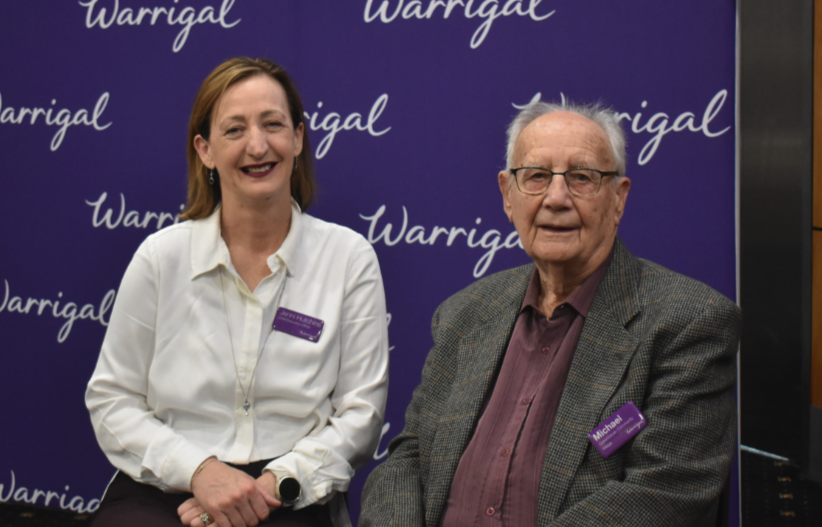
ابقَ على اتصال!
ابقَ على اتصال بالقصص الرائعة لكبار السن لدينا من خلال متابعتنا على قنوات التواصل الاجتماعي الخاصة بنا، بما في ذلك فيسبوك وإنستغرام .
يمكنكم أيضاً تلقي نشرتنا الإخبارية المجتمعية، "رابطة واريغال"، من خلال الاشتراك هنا.
منشورات المدونة
21 أكتوبر 2026
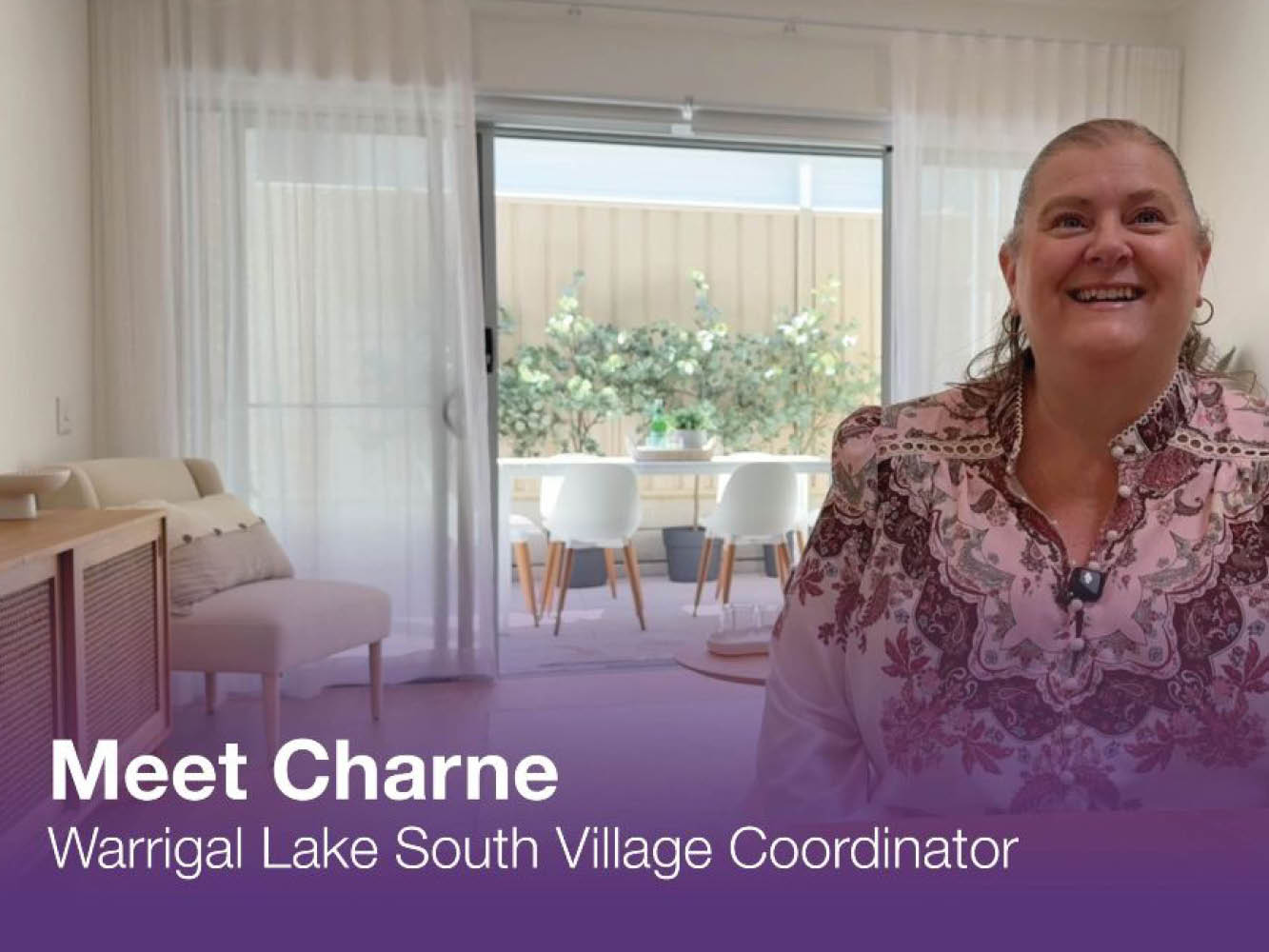
ستكون شارني هي الشخص الذي ستلجأ إليه إذا كنت تفكر في جعل منطقة واريغال ليك ساوث موطناً لك.
منشورات المدونة
10 أغسطس 2026
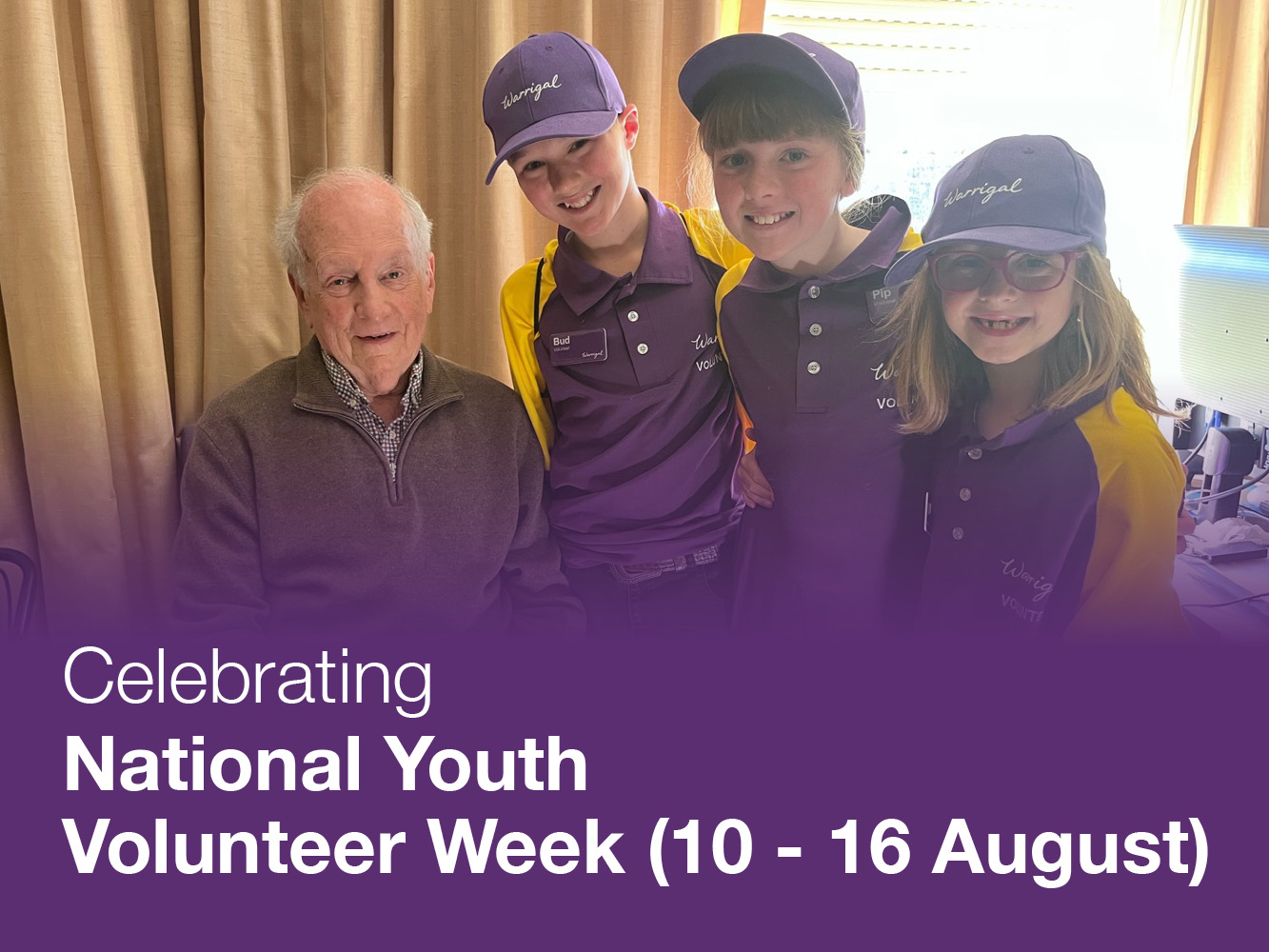
يُعد الأسبوع الوطني للمتطوعين الشباب (10-16 أغسطس) فرصة رائعة للاعتراف بالمساهمات المذهلة التي يقدمها الشباب لمجتمعاتنا.
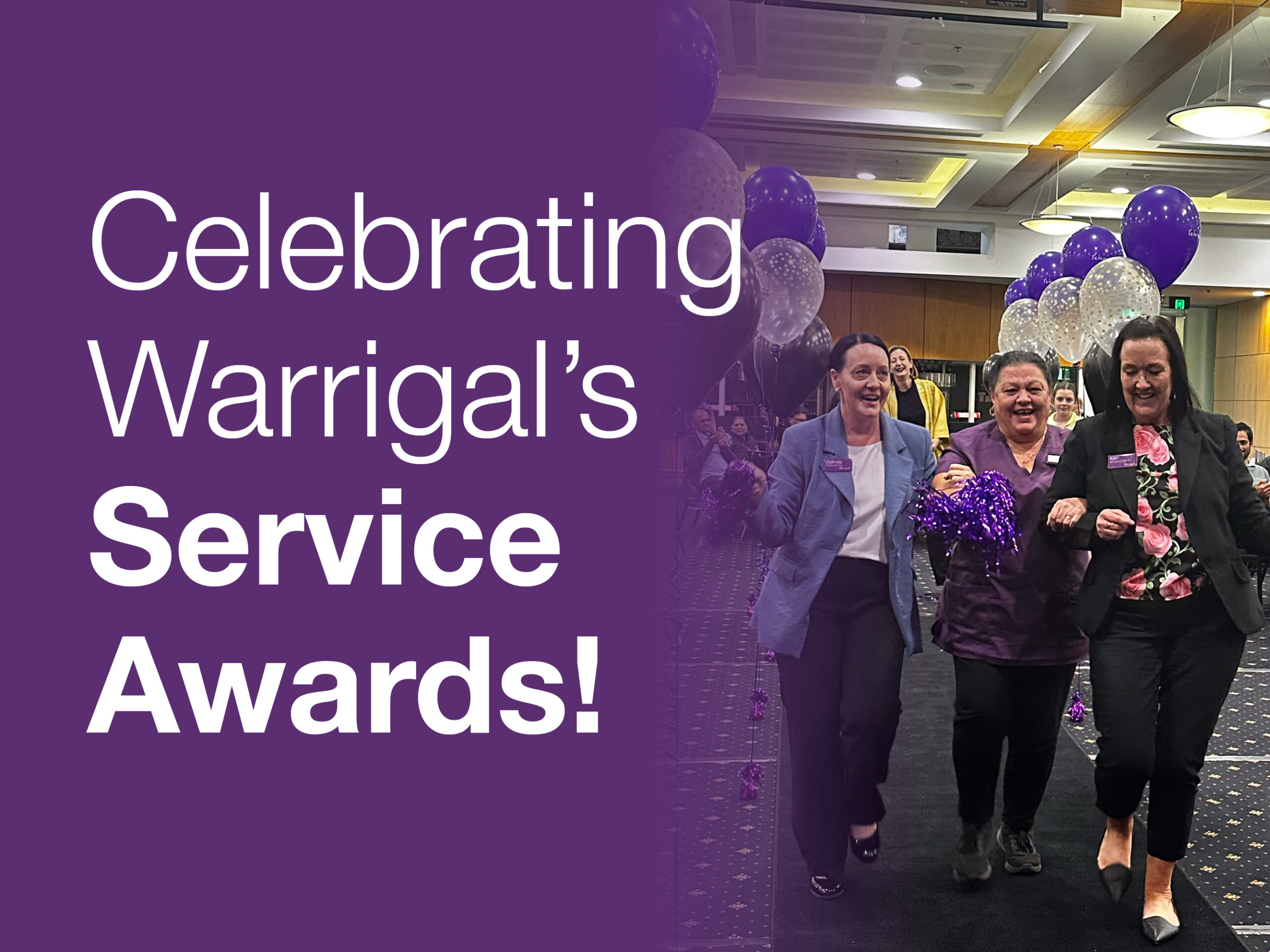
منشورات المدونة
23 يوليو 2026
احتفلت شركة Warrigal مؤخرًا بموظفيها الذين خدموا لفترات طويلة في منطقتي Illawarra و Canberra من خلال حدثين خاصين لتوزيع جوائز الخدمة، وذلك تقديرًا لإنجازات الخدمة الهامة التي تم تحقيقها هذا العام.