Residential Aged Care
  Home Services
  Community Villages
  Warrigal Social
  Other Services


Related Resources Section

Articles, General, Guides
July 31, 2025
What Does Wellness Mean for Older People?
Keeping fit and healthy becomes even more important as we get older, and navigating the aged care system to discover services available to you can be overwhelming. That’s where we aim to step in and help.
Keeping fit and healthy becomes even more important as we get older, and navigating the aged care system to discover services available to you can be overwhelming. That’s where we aim to step in and help.
So what does wellness mean for an older person? It includes physical, mental, and social wellbeing, and plays a vital role in staying independent and living well at home for longer. Viewing our wellbeing holistically improves our overall quality of life, and ultimately allows us to feel loved, known, and connected to those around us.
Read through the information below as we discuss these three key pillars of wellbeing, and learn more about our free community event, Ageing Well with Warrigal, where you can ask questions, receive expert advice, and connect with local services tailored to your needs.

Physical Wellbeing
Physical wellbeing is often what we think of first when we think of keeping fit and healthy, and may be the most obvious in terms of what we need to do in order to maintain it.
It encompasses the health of our physical body and our ability to complete tasks in our day-to-day lives without pain or discomfort. For older people, this may include:
- Mobility
- Strength
- Balance
- Nutrition
- Sleep
- And the management of chronic conditions (such as arthritis)
Maintaining good physical health as an older person also helps prevent falls, reduces the risk of illnesses (or minimises their effects), and allows us to stay living independently in our homes for longer.
Some ways for older people to maintain their physical health are:
- Stay active: Gentle exercises like walking, swimming, or chair yoga can improve flexibility, balance, and strength.
- Eat well: A balanced diet with plenty of fibre, lean protein, calcium, and hydration supports energy and immune health.
- Get regular check-ups: Keep up with your vision, hearing, and dental exams, while seeing a regular doctor to monitor and manage other conditions like arthritis, diabetes, or high blood pressure.
- Prioritise sleep: Aim for 7–8 hours per night and maintain a consistent bedtime routine.
Mental Wellbeing
Mental wellbeing refers to our emotional health and cognitive function. It helps us cope with life’s changes, and allows us to think clearly to carry out daily tasks, and maintain our social connections.
Maintaining strong mental wellbeing is so important as it can directly affect our physical health (and vice versa). Illnesses associated with ageing, such as depression and cognitive decline, are not inevitable, and can often be prevented or managed by staying mentally fit!
Some suggestions to keep up mental wellbeing include:
- Keep learning and stay busy: Reading, jigsaw puzzles, learning a new hobby, or taking online classes can keep the brain sharp and active.
- Practice mindfulness: Meditation, deep breathing, or simply sitting quietly with a cup of tea can reduce stress and improve your mood.
- Establish routines: Regular daily activities give structure and purpose.
Social Wellbeing
Social wellbeing refers to the sense of connection and belonging we experience with those around us. For older people, relationships with family, friends, neighbours, and community groups are key, particularly as we reach our later years when we are at a greater risk of experiencing isolation and loneliness.
Strong social connections can lower the risk of depression, cognitive decline, and even chronic illness. They contribute to feeling happier, and help us live longer, more fulfilling lives!
Keep a positive social wellbeing by:
- Join a group: Community centres, hobby clubs, or volunteer opportunities are great ways to meeting other like-minded people.
- Stay connected: Regular phone or video calls with family and friends, even for a brief chat, can make a big difference.
FAQs, Guides
June 2, 2026
The cost of residential aged care is determined by the type of accommodation you choose and your personal financial situation. Read our resource to learn more about aged care costs.

Articles, Blog Posts
May 28, 2026
Warrigal recently celebrated National Volunteer Week with two special Service Award events, to acknowledge the excellent contributions of our Northern and Southern volunteers.
Articles, General, Guides
April 9, 2026
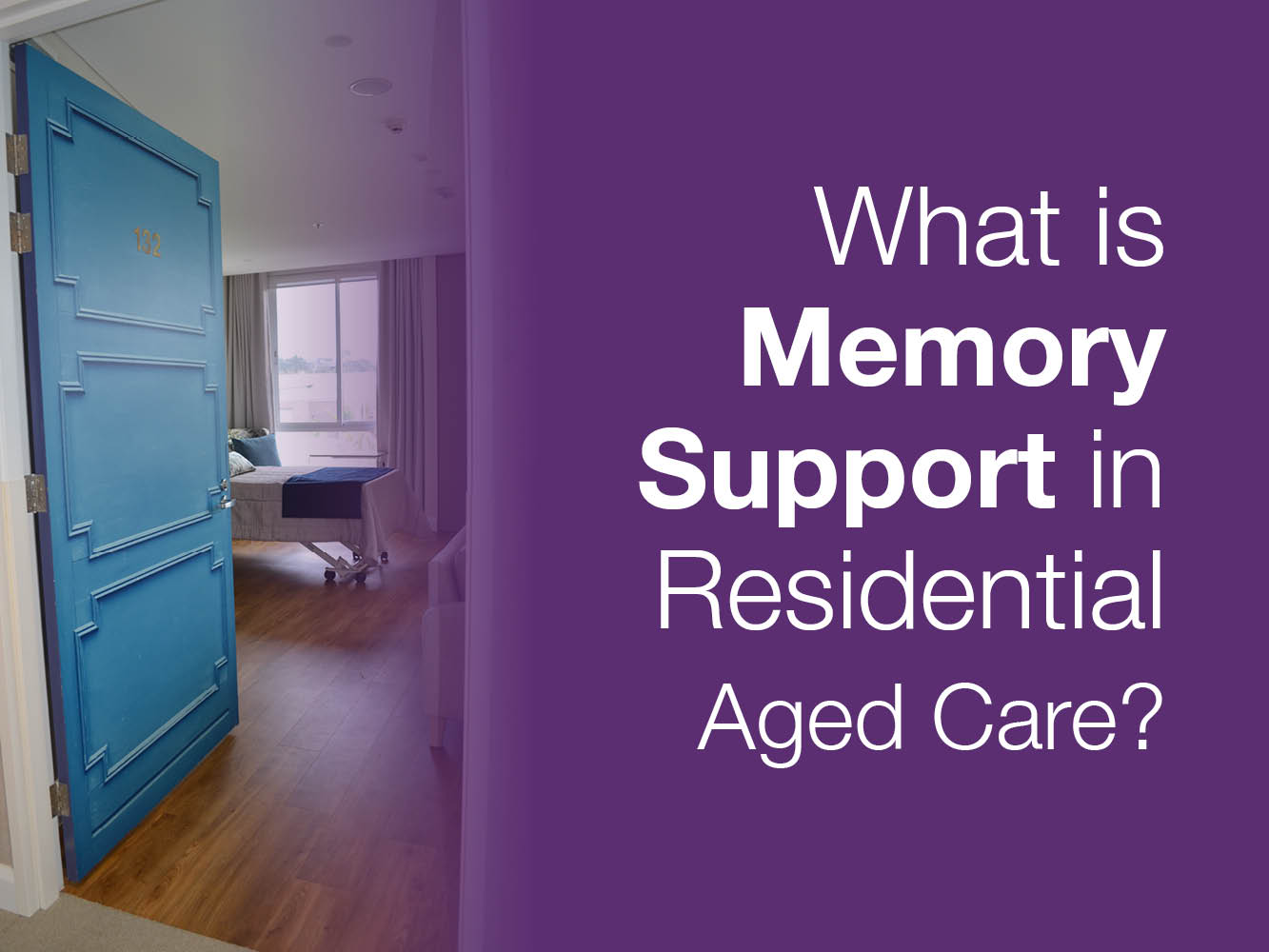
When considering care for your loved one living with dementia, it’s important to consider what memory support involves, when to know it’s time to access it, and how to access it.