Residential Aged Care
  Home Services
  Community Villages
  Warrigal Social
  Other Services


Related Articles

Warrigal Resident
May 8, 2026
Andrew, Warrigal Resident
We have a lovely café run by the volunteers, so I can sit in there and chat away and tell my jokes. They even laugh at them sometimes!
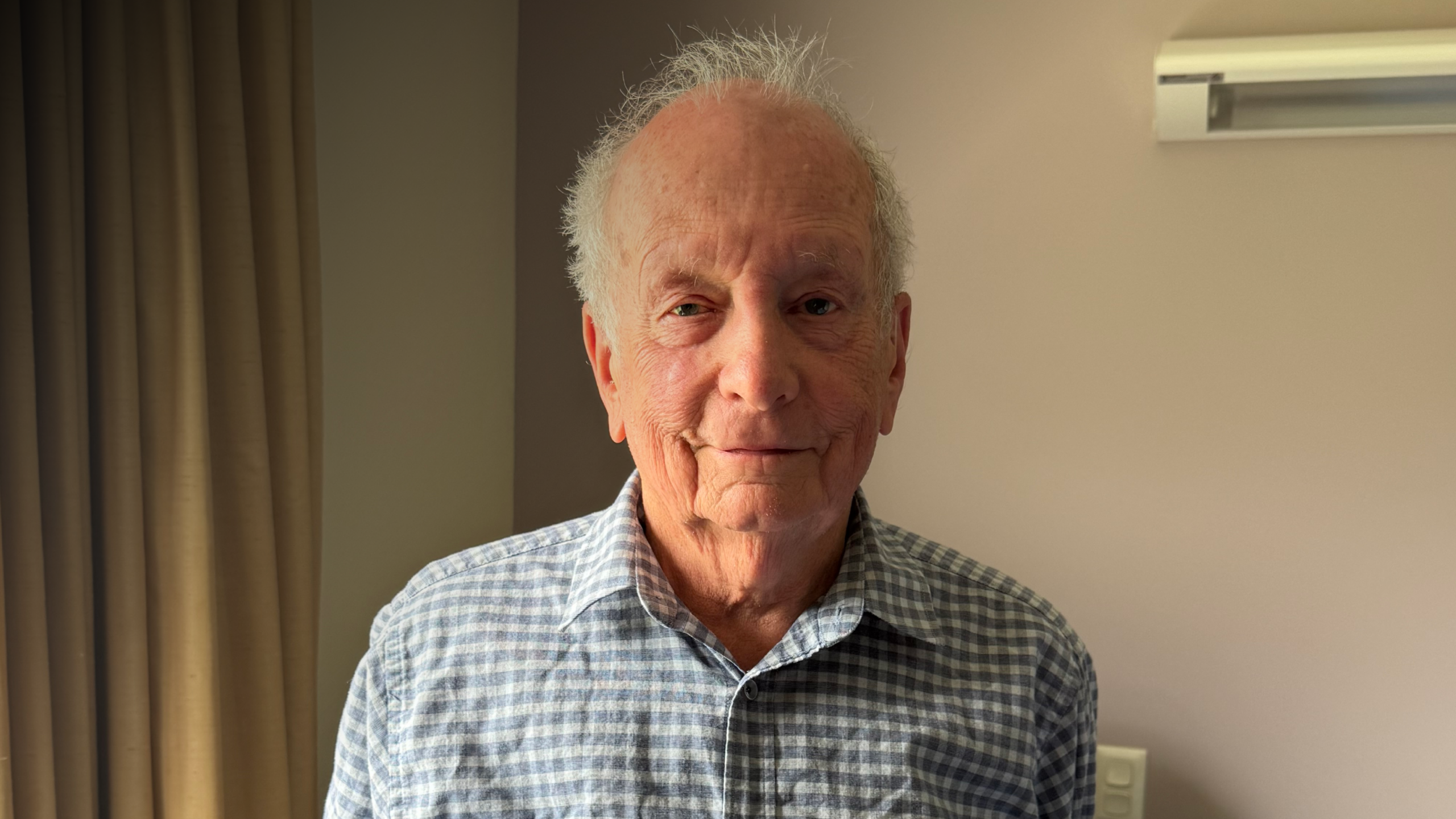
We have a lovely café run by the volunteers, so I can sit in there and chat away and tell my jokes. They even laugh at them sometimes!
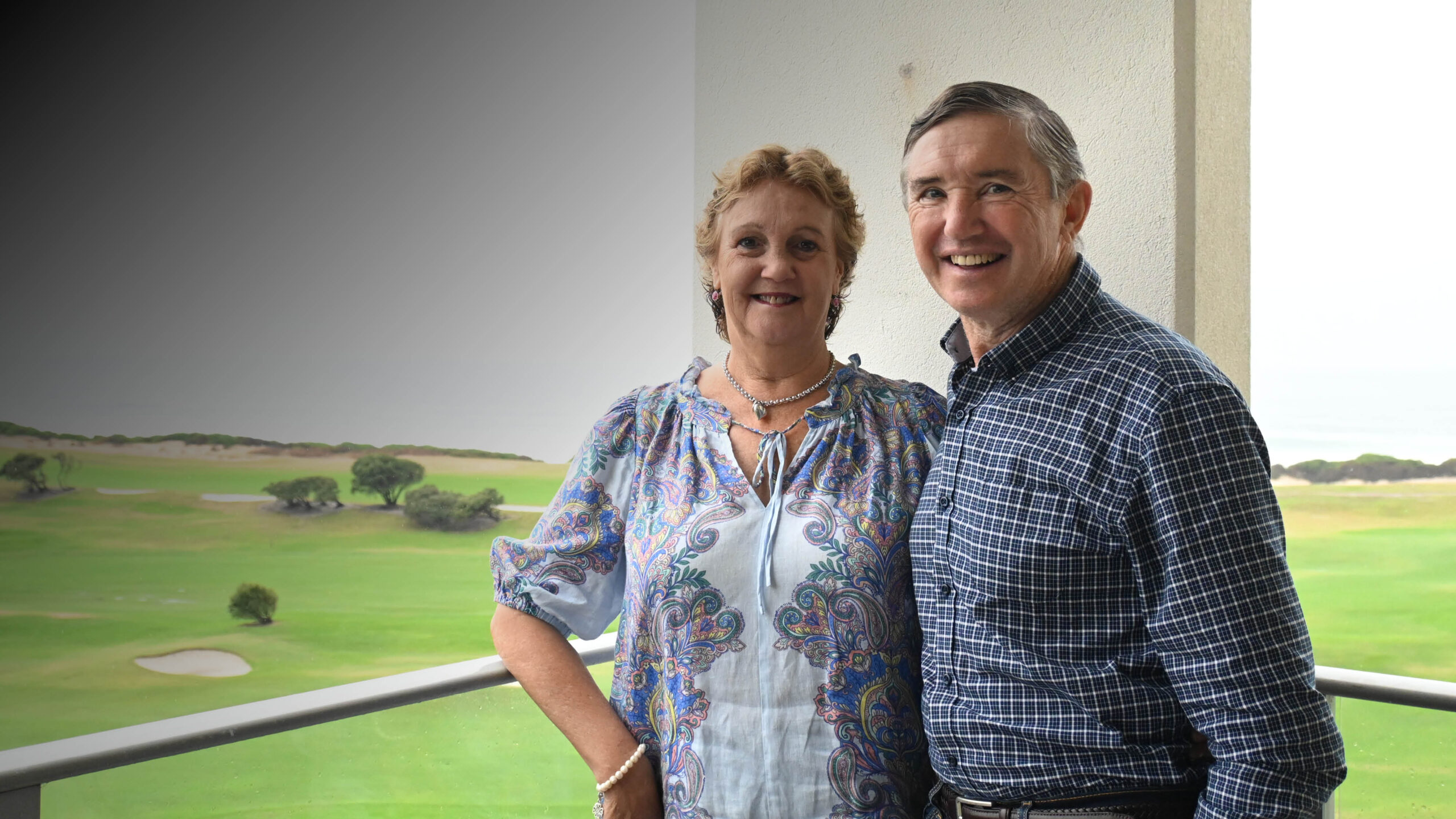
Meet Andrew, our fantastic resident at Warrigal Bundanoon.
Recently, we had the pleasure of interviewing Warrigal Bundanoon resident, Andrew, to learn more about his fascinating career working as a telemetry engineer during the Apollo Mission. Keep reading to hear about Andrew’s interesting experiences, including his unique roles working across the world, his journey learning and teaching the English language, and how he is enjoying retirement with his wife at Warrigal Bundanoon now.
About Andrew
Born in Melbourne in 1940, Andrew grew up in a modest home his parents built during the Depression. His father, Jim, arrived from Glasgow’s Gorbals with sixpence and later painted houses; his mother carried the resilience of Cornish mining stock. Their love shaped a happy boyhood filled with stories, Mr Corrigan reading aloud in 1948, Biggles adventures devoured at home. At sixteen he left school, worked, saved, and ventured into the world. He crossed the Atlantic in winter, stood in Dublin as Kennedy and de Valera planted a tree, reached Toronto the day Kennedy was assassinated, and later paid respects at Arlington.
In January 1967, Andrew joined the Honeysuckle Creek space tracking station near Canberra as a telemetry engineer, preparing for Apollo. The tragedy of Apollo 1 paused the dream; he taught himself computer programming in the lull. A managerial role followed, where he felt the limits of his technical education and leaned on secretaries for polished words. Retirement in 1998 opened a new chapter: determined to master English properly, he began with the humble Google search “What is a noun?”. Over twenty-eight years, this pursuit led to the Facebook group “Learn English with Andrew,” where thousands of grateful students called him “Mr Andrew” and gathered to study grammar, punctuation, and timeless short stories.
Andrew McKean’s life spans Melbourne streets, the exhilaration of the space age, global wanderings, devoted family years, and now the measured rhythms of aged care. Through it all runs a thread of resilient curiosity, intellectual honesty, and a tender awareness that even in ageing, small acts of attention, a photograph of a kangaroo, a story shared, a hand held steady, still matter deeply. He remains a man of quiet strength, gentle humour, and an open heart, finding meaning in the present while carrying the full, bittersweet weight of a life richly lived.
Read our interview with Andrew below!
Can you give us a brief introduction about yourself?
My name is Andrew McKean, and I’ve been living here at Warrigal Bundanoon with my wife for three and a half years. We lived in Moss Vale for ten years before we moved here. I was born in Melbourne in 1940, and I met my wife in London in 1962. So, we’ve been married for 62 years now.
I’m very lucky to have a long and happy marriage. I don’t know how I would have got through my life without my wife. It’s just the care, the friendship, and having someone to talk to, and of course, she laughs at my jokes too.
Can you tell us about your career?
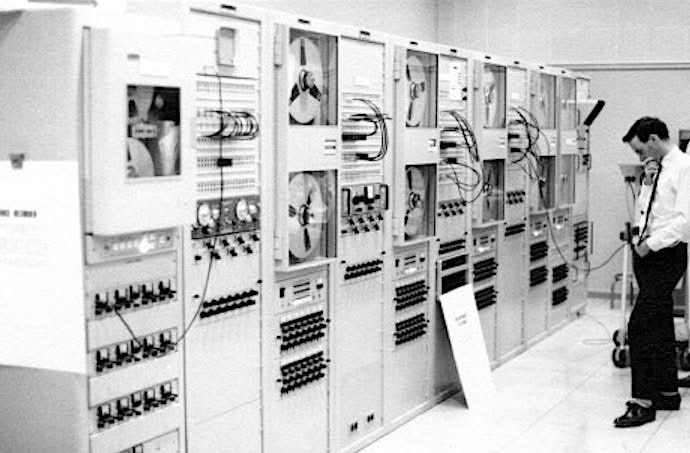
My background is electronics, and in the early years, I worked in television broadcasting in Australia and then later in the UK and Canada. When I returned to Australia, the Apollo mission was getting underway and they were hiring technical staff for the Apollo tracking station. It was one of three stations that was being built outside of Canberra, at a place called Honeysuckle Creek. The other two were at Goldstone in California and Madrid in Spain. They’re spaced geographically so that at any point, at least one of them would be in communication with the spacecraft as they went around the moon.
So, with great trepidation, I turned up for an interview, and surprisingly, they gave me a job. We packed our bags and went to Canberra. I worked at the tracking station in the data, telemetry, and computer section.
One of our jobs was recording the data from the spacecraft as it came down through the dish, through the receivers and into our section. After it was recorded and the mission ended, we’d annotate the tape. That was one of my jobs – I had to read a pre-prepared message describing what was on the tape. Then, we’d take the reels off the machines and hand them to the visiting team who were heading back to the United States to further analyse them. We didn’t have satellites in those days, so everything was done the hard way.
Can you tell us about the establishment of “Learn English with Andrew”?
I had a very narrow education and a narrow employment history. I was what you’d call a nerd.
I worked on electronics, and I was in a room full of flashing lights and knobs and doors and computers. But as I progressed through various jobs, I was offered more managerial positions, and that became quite difficult because I was used to working with a machine that didn’t answer back.
Then, I had to work with people, and I had to communicate with them. I soon became quite aware that my English was poor. In those days, managerial people like me leaned heavily on our secretaries, who had great skills with taking shorthand notes and converting those notes into beautifully typed letters. Perfect grammar, no mistakes, I was very grateful.
But when I retired, I realised I’ve got to do something about that. So, I thought the only way to do that, now that I’m retired and have plenty of time, is to go right back to the beginning. To start from the very beginning with learning the English language.
And at that time, Google appeared and so I simply typed in ‘what is a verb?’ and ‘what is a noun?’. While I was doing this, I realised that there were millions of people all over the world trying to do the same thing, so I started a Facebook group called ‘Learn English with Andrew’, and I started very simple lessons. Before I knew it, I had about 8000 followers.
Most of them were from developing countries, and they started calling me Mr. Andrew. I would help them with simple sentences and punctuation, like spelling and how to write a sentence. I taught them the importance of reading, especially reading classic short stories in English by authors such as James Joyce, George Orwell, Oscar Wilde, and Ian Foster, because it was important that they read English that was correctly written. I was reading it at the same time, because there’s a saying that the best way to learn a subject is to try and teach it.
So, I learned more than they did.
What was the most rewarding part of this experience?
Oh, all the comments. I got very nice comments from people all over the world. So, I continued doing that for quite a while.
How have you created a sense of home at Warrigal Bundanoon?
I get constant visits from my relatives, our volunteer workers and the staff, and we have a lovely café run by the volunteers, so I can sit in there and chat away and tell my jokes. They even laugh at them sometimes, they’re very nice.
Watch Andrew’s Interview
At Warrigal, we treasure the stories and experiences of our older people, and love to honour our residents by sharing these inspiring stories with our wider communities. To hear Andrew reflect on his extraordinary journey in his own words, watch the full interview on our Facebook page using the link here.
Warrigal Resident
October 9, 2026
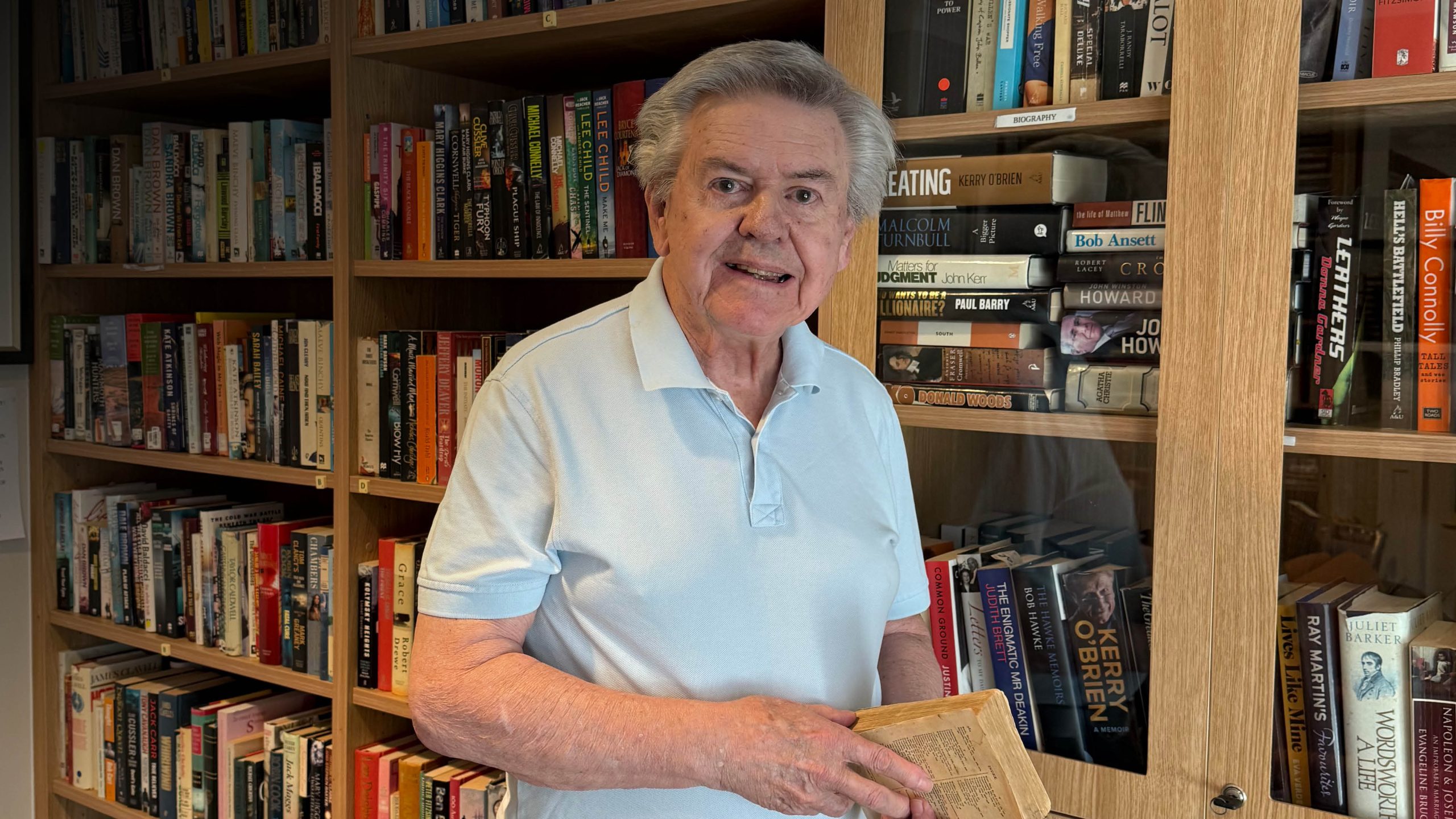
I have a very eclectic range of books and an eclectic taste.
Warrigal Resident
September 24, 2026
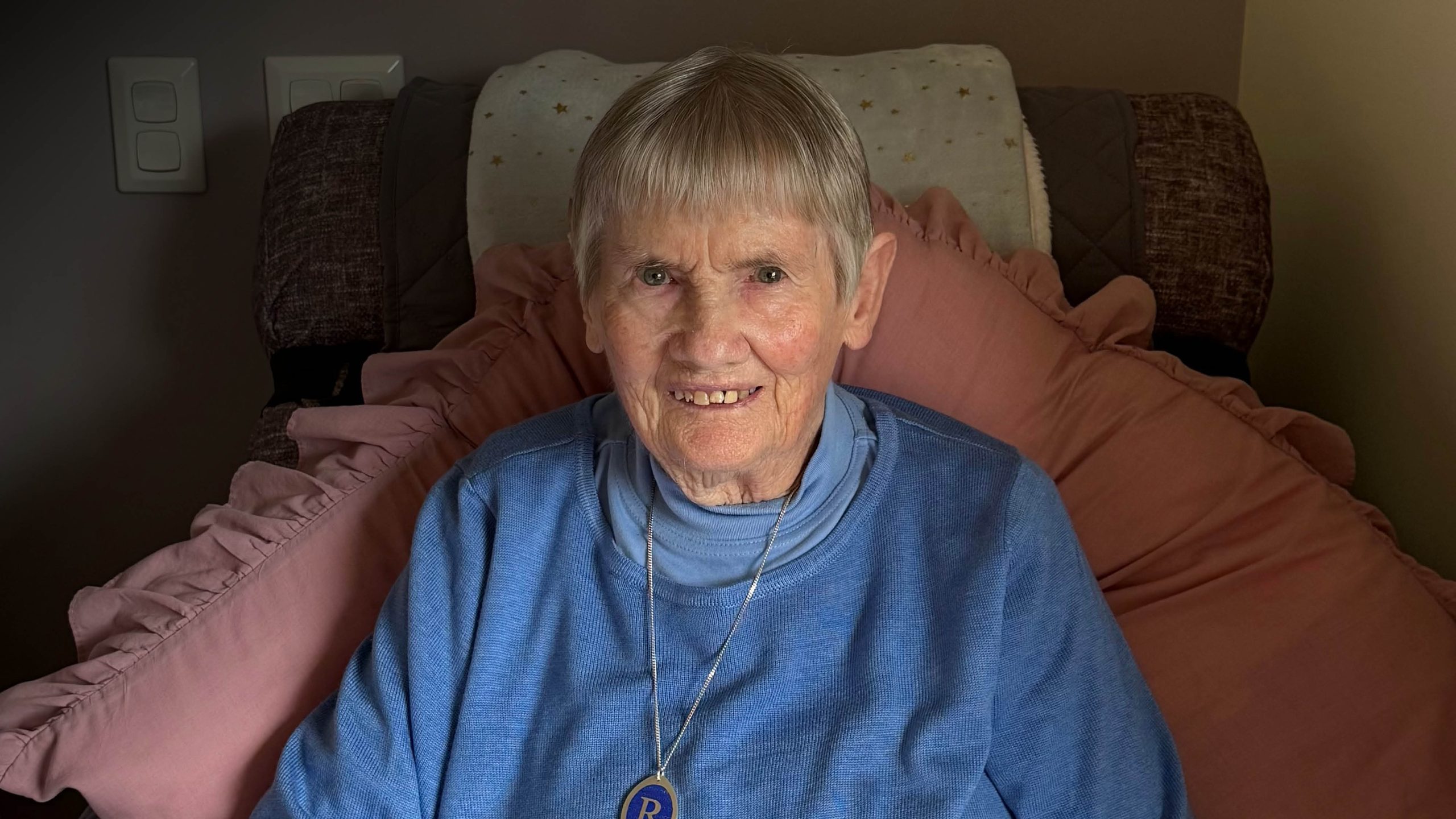
What I loved most about teaching was the joy that children showed when they accomplished new things, especially reading.
Warrigal Resident
August 26, 2026
When you see the facilities and the location, it’s obviously a fantastic place. But, the community feel about the place – everyone here is so friendly.