Residential Aged Care
  Home Services
  Community Villages
  Warrigal Social
  Other Services


Related Articles

Warrigal Resident
April 13, 2026
Margaret, Warrigal Resident
I was living near the sea, and the beach there was absolute magic, just white sand. My cousins would play the guitar, and we would have a singsong.
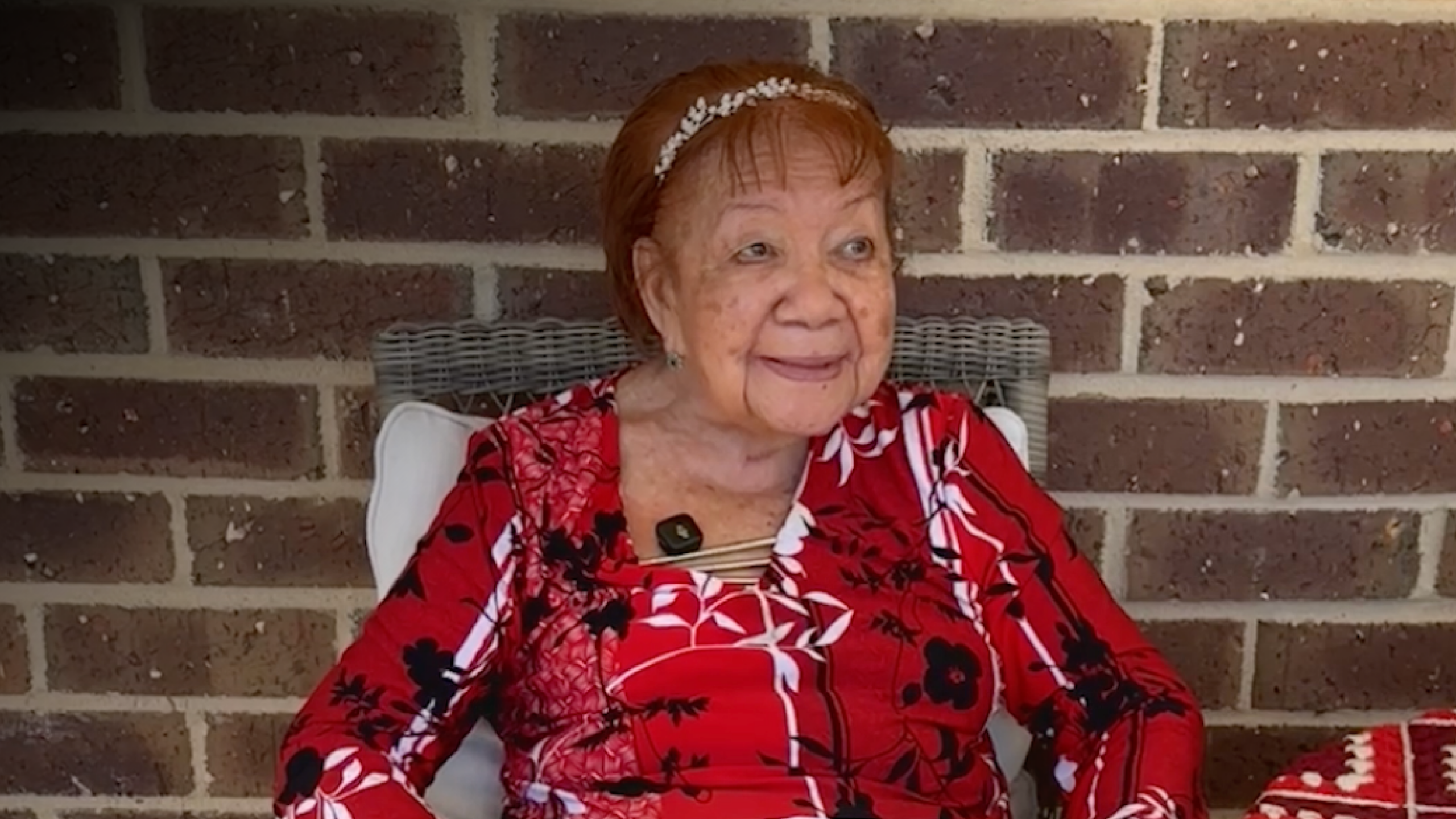
I was living near the sea, and the beach there was absolute magic, just white sand. My cousins would play the guitar, and we would have a singsong. It was really great.
Meet Margaret, our valued resident at Warrigal Calwell.
Recently, we interviewed our wonderful Warrigal Calwell resident Margaret, known as Meg, to learn more about her inspiring life story and her journey moving from Malaysia in her early twenties. Keep reading to hear about Meg’s story of resilience, the cultural differences between Australia and Malaysia, the challenges she faced and the lessons she has learnt along the way.
Meet Meg!
Can you tell us a little bit about yourself?
My name is Margaret, but my special name is Meg… Nutmeg. I was adopted because my real parents died during the war, during the Japanese occupation. I grew up in Penang, which is an island in Malaysia, and everybody knew who I was. Whatever I did went back to my parents, so life was not meant to be easy even then, as I was growing up. But it was a happy life being in Malaysia. Lots of nationalities all lived together, Chinese, Indian, and Eurasians, and we all got along very well together. It was great because I was living near the sea, and the beach there was absolute magic, just white sand. My cousins would play the guitar, and we would have a singsong. It was really great.
I met my late husband, James William Courtney, JC I used to call him. We got married in 58’ and moved to Australia in 59’. He was the best husband one could ever have asked for. I was very, very lucky and so was he.
In my time, it was rather difficult for Asians to come to Australia, so I had to wait nine months until I turned 25, then the Australian High Commissioner approved me to move over.
What was it like moving to another country?
It’s a learning experience. You see where I was, I had someone to look after me and do everything for me. So, when I came to Australia, I was chief cook and bottle washer, and my sister-in-law would laugh at me and say, “Meg, most of the food you cook goes into the bin instead of on the table!”
I couldn’t help it. I never used to cook before. It was rather difficult for me in Australia. But in my day, when I came over, the Aussies didn’t like Asians. So that was a real barrier. It’s good though, because you learn from that, and you become a sort of person who is kind and thoughtful.
Cultural Differences in Australia and Malaysia
What’s the biggest difference between Australian and Malaysian culture?
Food! I did a lot of my cooking here, my learning, because in Malaysia, I was not allowed in the kitchen. My dad would say, “You’re not going in the kitchen because we already have someone cooking and we don’t want you in there!”.
When I came to Australia, I had to learn how to do everything. Even today, I’m very untidy because I never had to do it myself. I made sure to teach my children what to do. My eldest daughter, she’s very good and takes after her dad. But my second daughter is like me… everything is everywhere, but we’re happy!
What is your favourite food?
It has to be Chinese, fried rice. Actually, in Malaysia, we always had rice left over from dinner, so we used to have fried rice for breakfast.
Career & Experience
Can you tell us about your career as a stenographer?
Yes! Shorthand typing. I did the London Chamber of Commerce exam, and I did 100 words per minute. When you’re taking dictation, the person cannot speak that quickly. So, you take 80 at the most, but usually it’s about 60-70 words per minute.
In Canberra, I worked for the RSL National Headquarters. It was a lovely job. I met a lot of different people, including all the different presidents and secretaries from all the RSL areas in Australia.
It was interesting, very interesting. I enjoyed every moment of it. All the embassies invited the national headquarters to go to their functions. The French embassy is the best… because of the champagne! Not that I drink, but the thought of having French champagne, well, that’s the reason why it’s so good.
Life at Warrigal Calwell
Why did you decide to move to Warrigal Calwell?
I was living with my daughter in a granny flat and they sold up and went to live in Woden, where they now have a beautiful unit. So, I ended up here, which is good. It was a bit difficult at the start, but you get used to it.
I follow the Buddha, and in Buddhism, acceptance is the key word. If you accept what’s given to you, you’re okay. But if you don’t accept, you’re in trouble.
What do you love most about living at Warrigal Calwell?
I would just put it down to the people, they’re all lovely. I mean, you have to be hard-pressed if you’re not happy. It makes this home, a home. They treat you as one of the family, so we are all family here.
Do you have a favourite outing you have been on?
The National Arboretum in Canberra. That’s lovely. You can spend a lot of time there.
Watch Meg’s interview
At Warrigal, we treasure the stories and experiences of our older people, and love to honour our residents by sharing these inspiring stories with our wider communities. To watch the interview with Meg, head over to our Facebook page using the link here.
Warrigal Resident
September 24, 2026
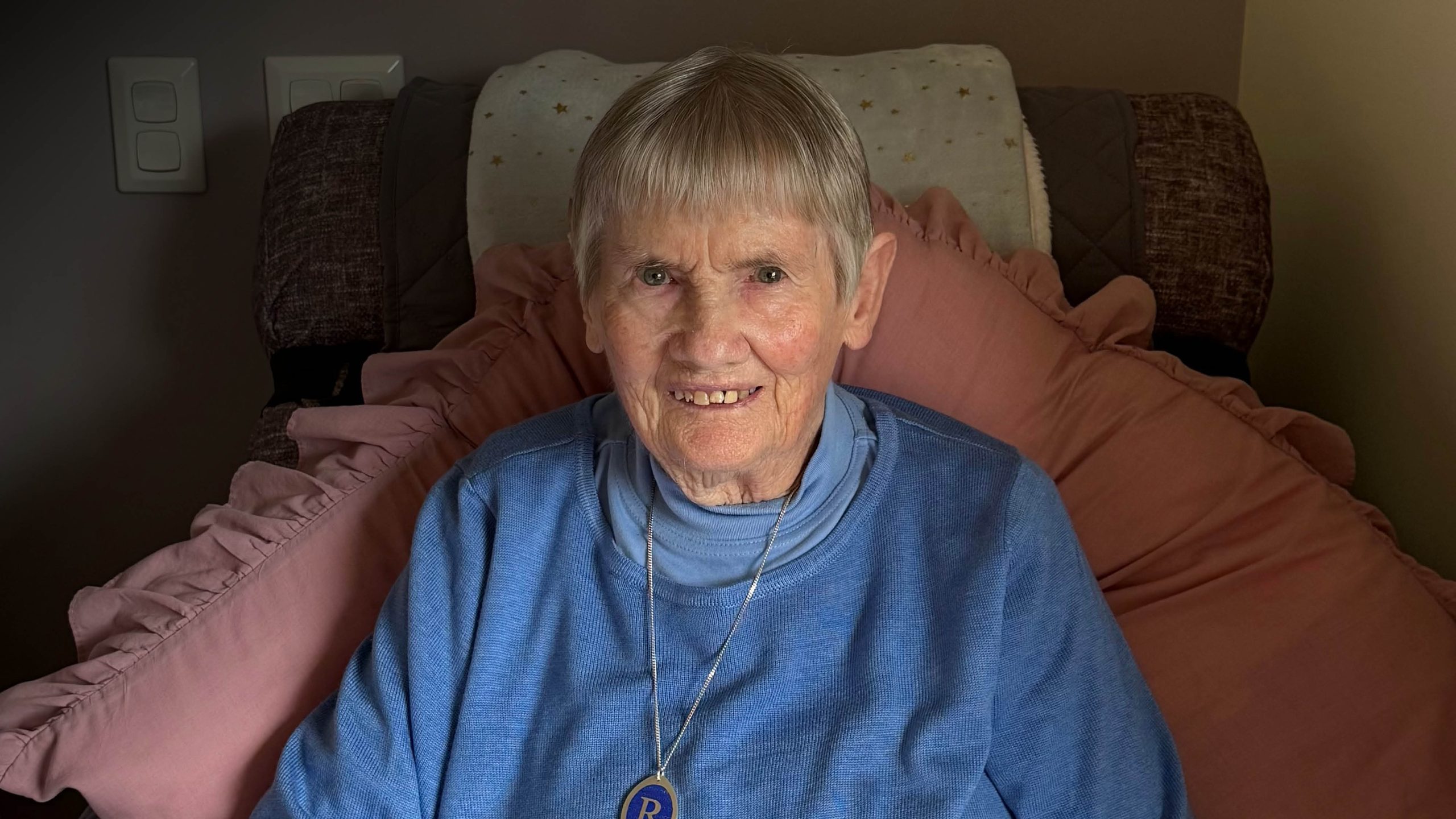
What I loved most about teaching was the joy that children showed when they accomplished new things, especially reading.
Warrigal Resident
August 26, 2026
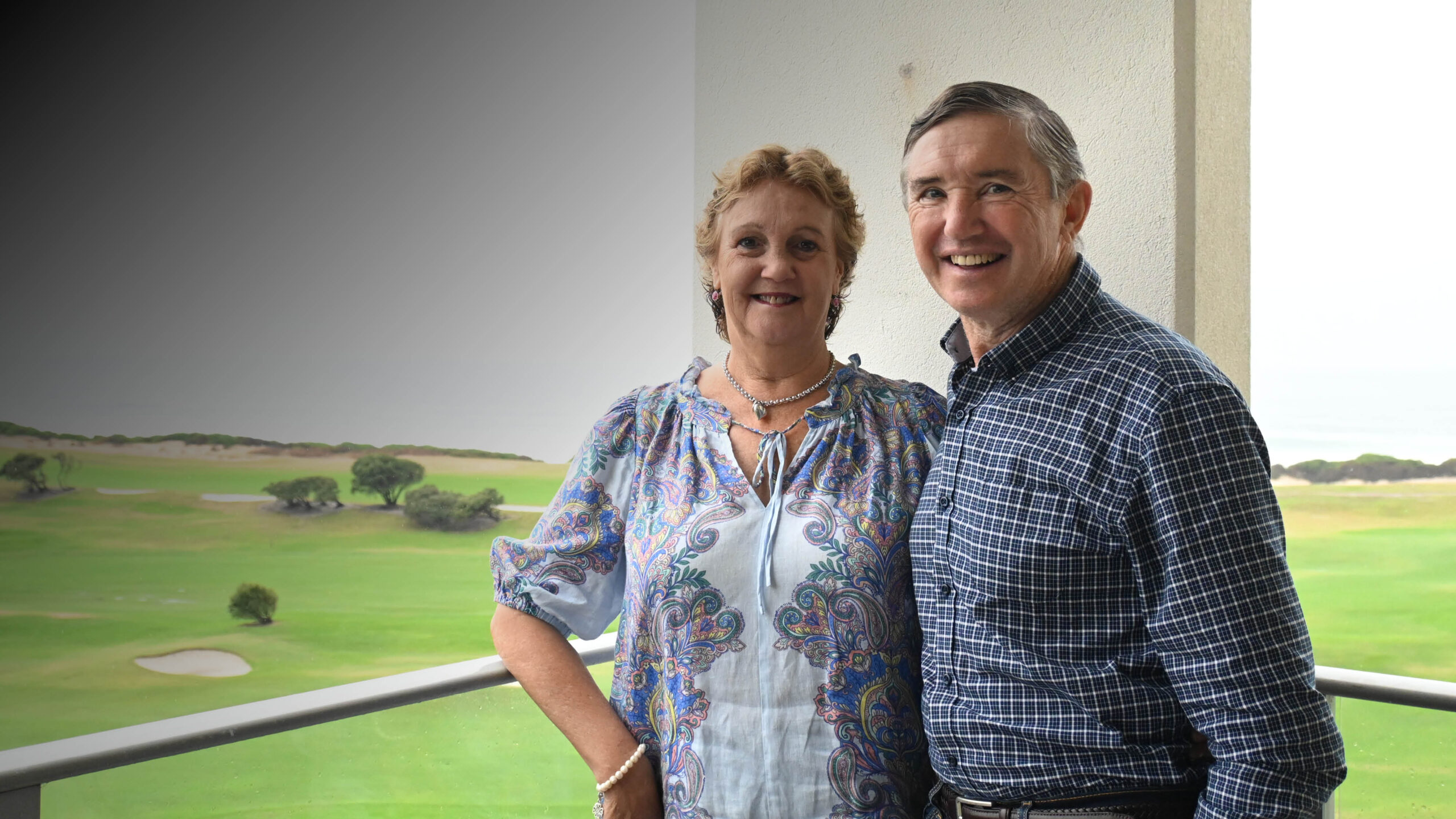
When you see the facilities and the location, it’s obviously a fantastic place. But, the community feel about the place – everyone here is so friendly.
Warrigal Resident
August 21, 2026
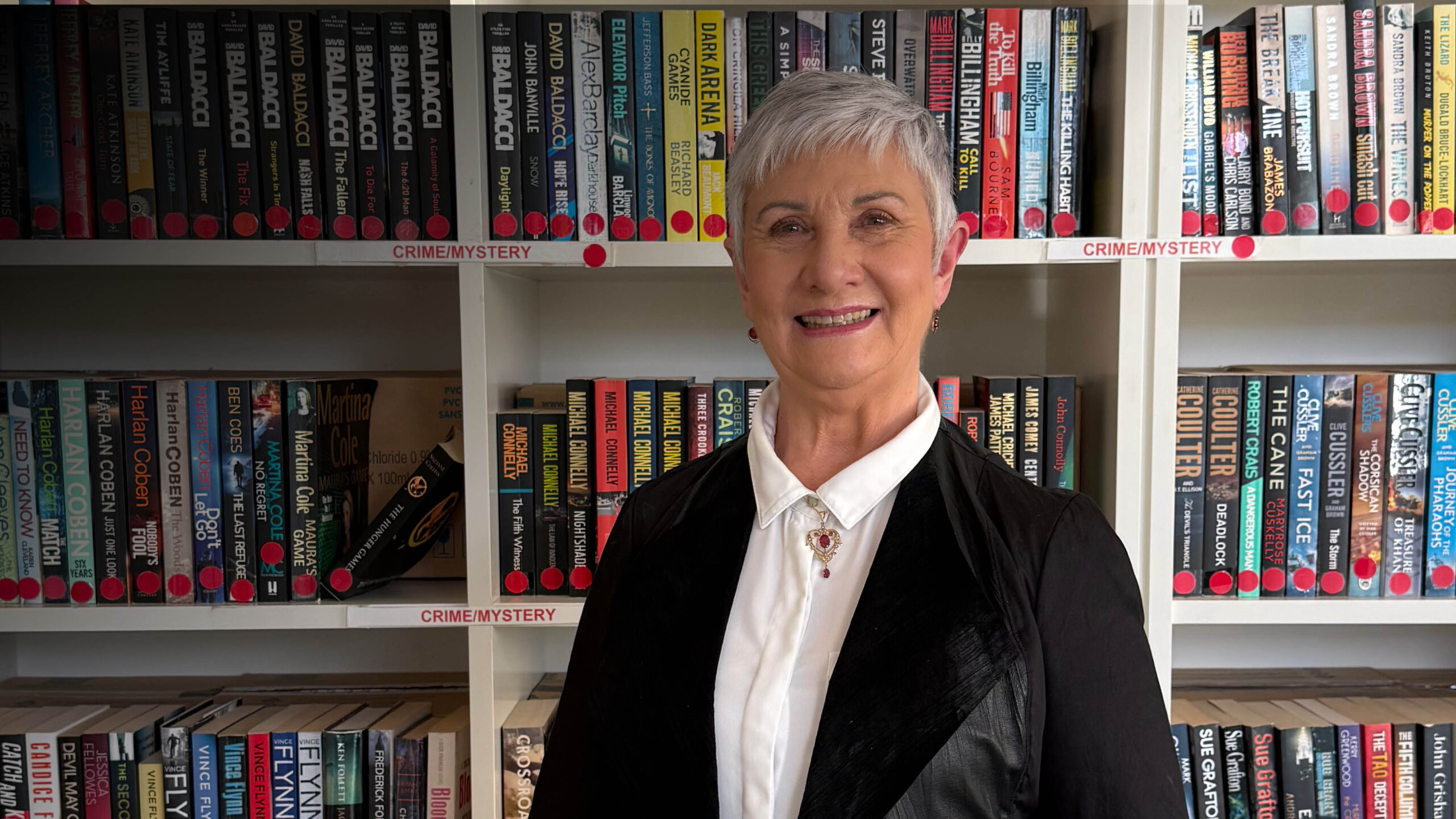
I’ve always wanted to write and in school I did some writing, but then there was all those years in the corporate workforce, and it wasn’t really until my 50th birthday that I started to write in earnest.